
- 0%
- Water on the equipment
- Non-
- abrasive
- Up to 80%
- shorter cleaning time according to Cold Jet
Short answer
Dry ice cleans everything from a 15th-century book page to a 3 cm thick bitumen layer. It is suitable for wood, steel, electrical systems, food processing equipment, stone and plastic moulds, is not abrasive, completely dry and leaves no Secondary waste.
As of November 2026
01
Does this work on my material?
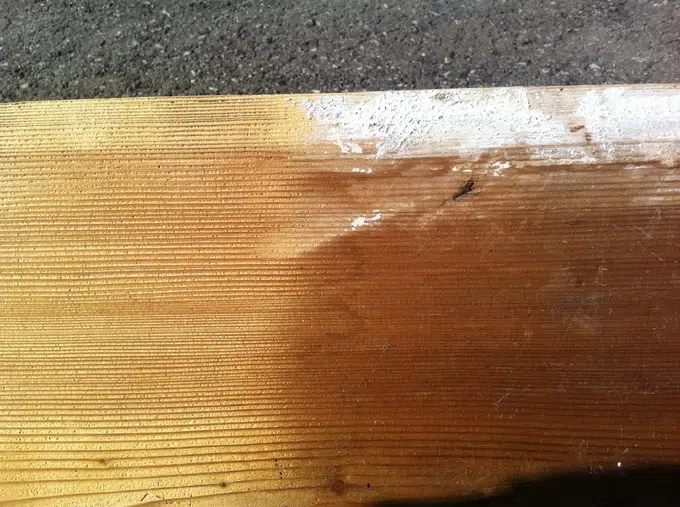
Wood: suitable
Cleans wood without damaging the surface, even in tight angles of roof trusses, around nails, cables and pipes.
- Removes
- Soot, smoke damage, charring, charcoal, vaporised synthetic resins, deposits on presses and dryers in the timber industry.
- Particularly
- Fire odour usually no longer detectable after 24 h
- Limitations
- Softwoods only conditionally, test area beforehand
02
All materials at a glance.
| Material | Typical contamination | Particularly | Limitations |
|---|---|---|---|
| Wood | Soot, smoke, resins | Fire odour usually no longer detectable after 24 h | Softwoods only conditionally, test area beforehand |
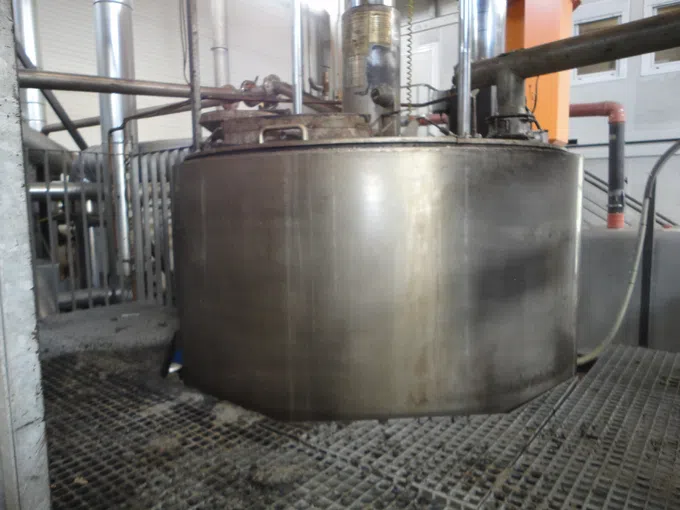
| Steel and metal | Bitumen, tar, paint, grease | Hot tools during full operation | Hard surface, well suited. For rust, Egger PowAir uses the abrasive Hot PowAir process |
| Electrical systems | Dust, wear debris, grease | No water, no liquid | Equipotential bonding beforehand by the plant operator |
| Food processing equipment | Grease, wax, protein, adhesives | No secondary waste, no water consumption | Cordon off area, particles fly 3 to 5 m |
| Stone and monuments | Graffiti, soot, chewing gum | No dust from blasting media | Plaster and brick only conditionally, test area beforehand |
| Plastics and moulds | Residues, flash | According to Cold Jet, up to 75 % shorter cleaning time | Hard plastics well suited |
‘Up to’ figures: manufacturer specifications from Cold Jet.
03
Honestly, what does not work.
Limitations of the process
Where the process reaches its limits is stated here before you make an enquiry. Described by the technical department at Egger PowAir.
- Soft surfaces such as plaster, insulation materials, brick, and some woods can only be cleaned without damage to a very limited extent. That is why a test patch is carried out in advance.
- The dislodged particles fly approximately 3 to 5 metres. The area is generously cordoned off or enclosed.
- Hazardous substances such as asbestos, PCB, or lead must be reported in writing before work begins so that the team selects the appropriate protective equipment.