
The Dry Ice Portal · 2026 Edition
Dry ice blasting honestly explained.
How the process works, what it is suitable for, where its limits lie, and what it costs. From over 25 years of application across Europe.
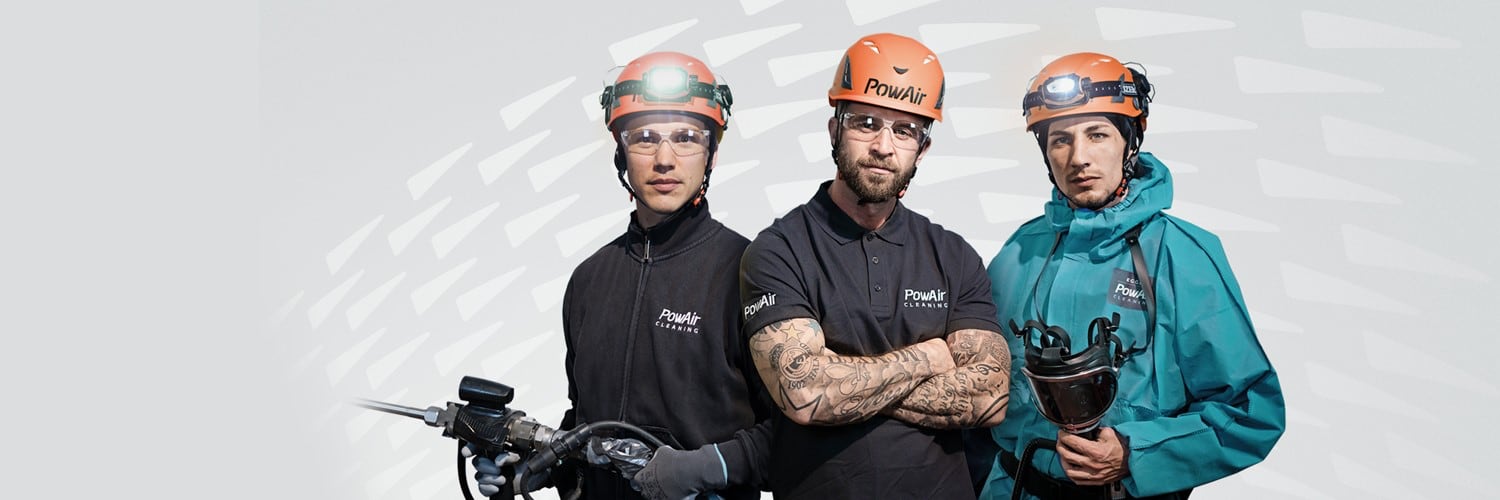
- 25+
- years of dry ice at Egger PowAir
- 4.000+
- Projects by Egger PowAir
- Up to 80%
- shorter cleaning time according to Cold Jet
- 0%
- Water and chemicals on the system
- 24/7
- toll-free hotline, Europe-wide
Eleven chapters. A reference guide.
Each chapter answers real questions with a Short answer, limits, and practical projects. Objectively explained, signed by Egger PowAir.
A real question. Four building blocks.
Each answer follows the same structure: first the Short answer, then suitability, limits, and a real project. This way, you immediately find what you need.
Can a roof truss be cleaned with dry ice?
Yes. Soot, smoke damage, and charring can also be removed in the tight angles of a roof truss without damaging the wood surface.
Removes smoke, soot, vaporised synthetic resins, and charcoal.
Hard surfaces such as metal, cast iron, plastic, and rubber are suitable. Plaster, brick, insulation materials, and some types of wood only to a limited extent; a test area is prepared in advance for this purpose.
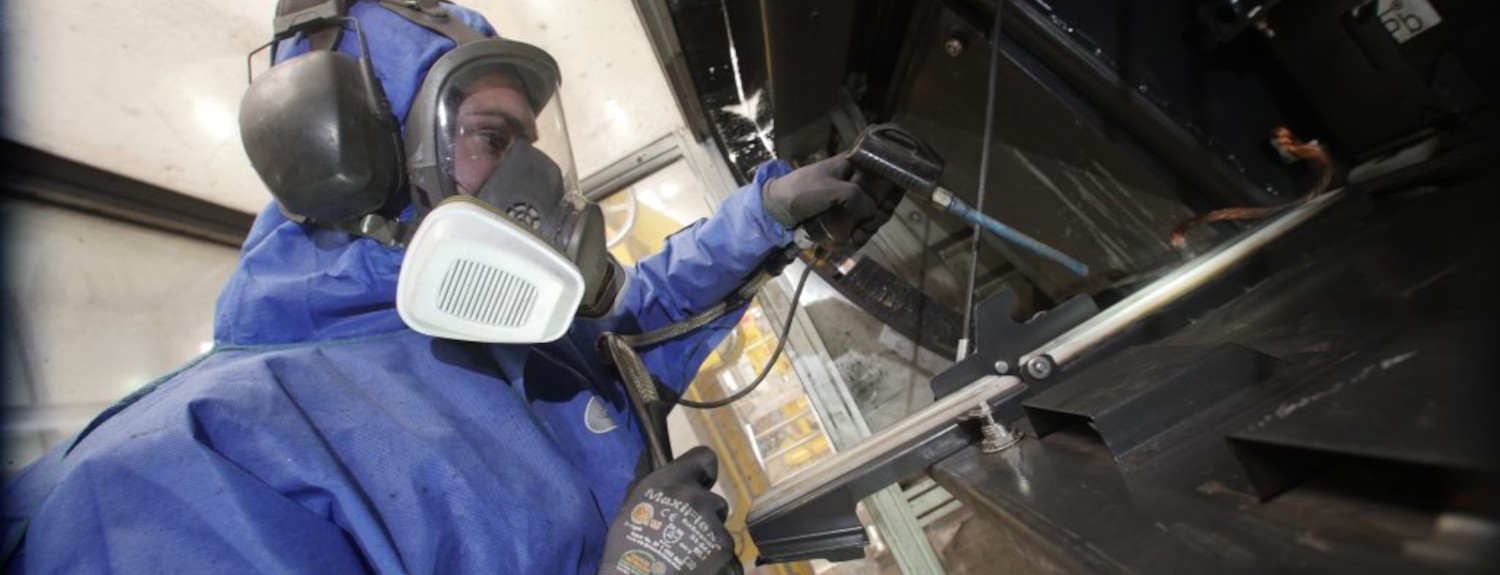 Project from the region
2 technicians in 2 days, instead of 3 to 5 technicians in 5 to 6 days
Blast it yourself.
Hover over real photos from operations. Where the jet was, you see the after image.
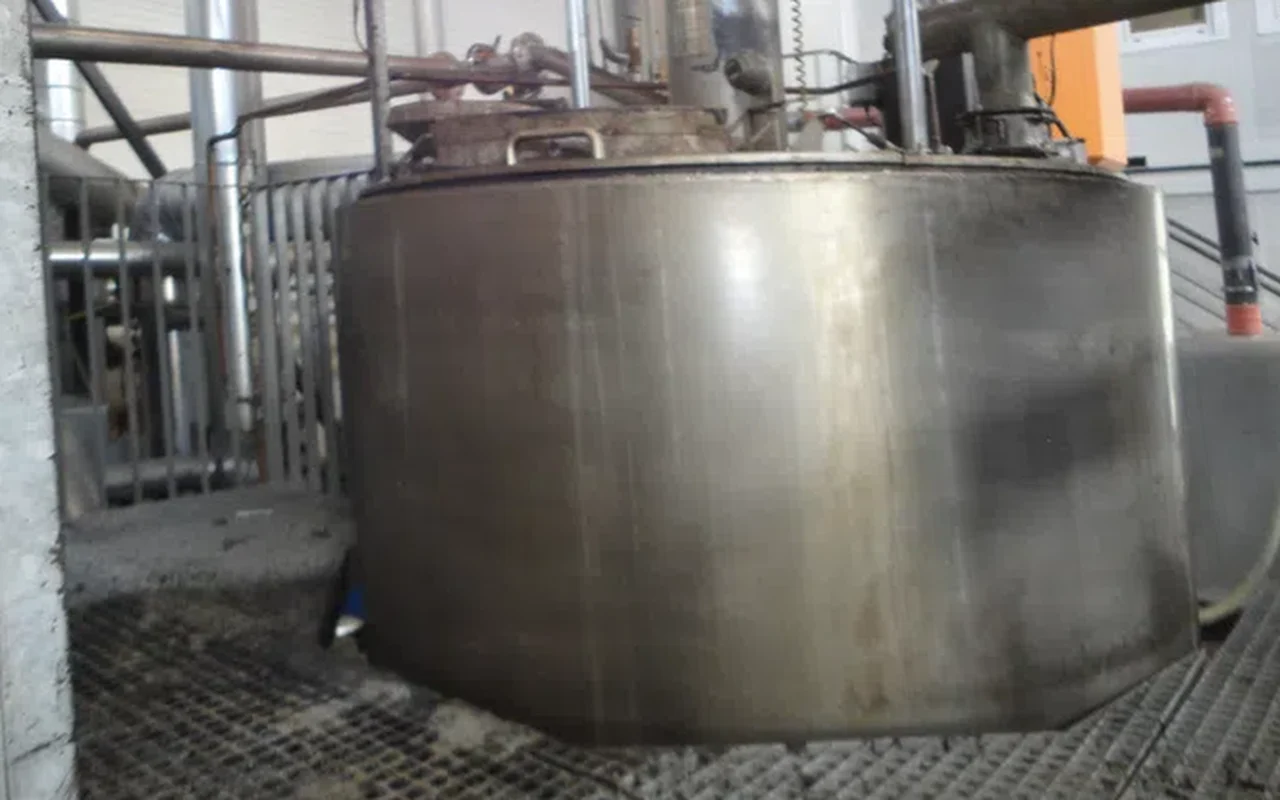
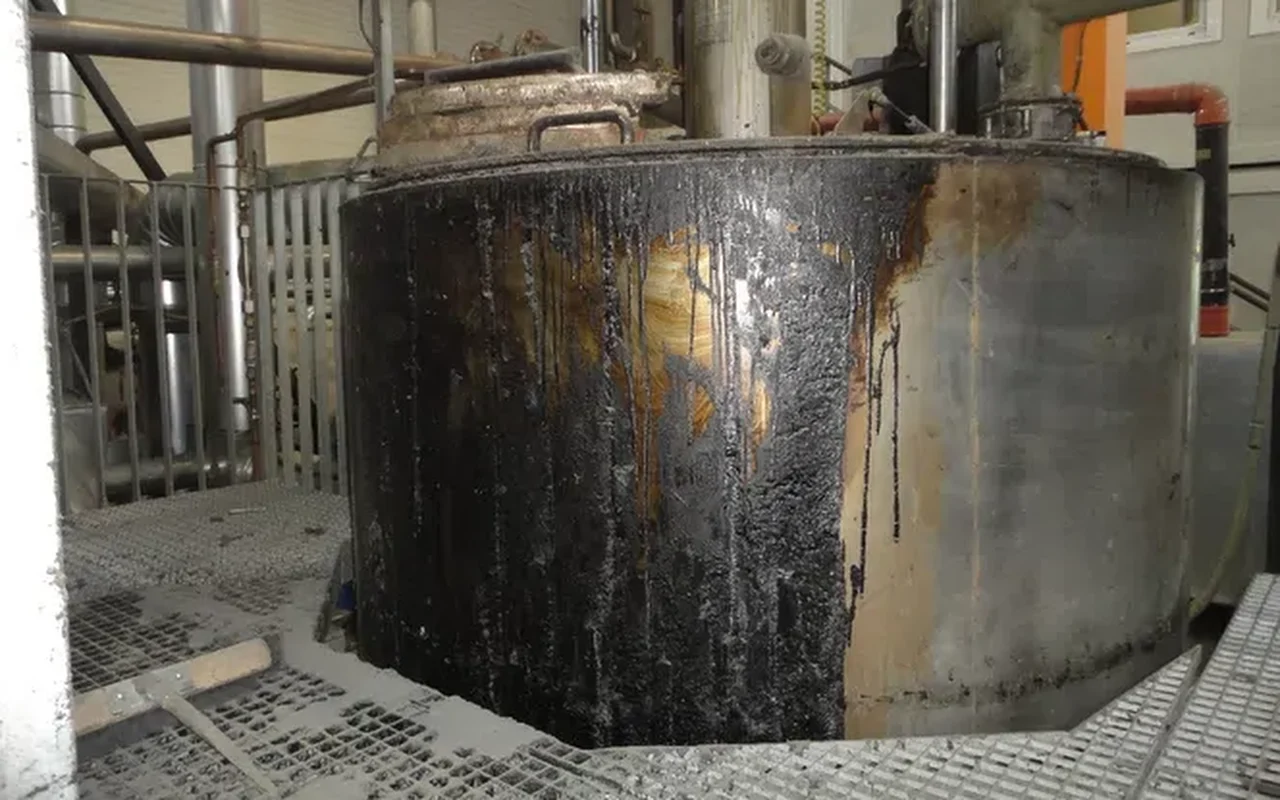
Direct transition from the solid to the gaseous state. Dry ice never turns liquid.
All of Europe. Mobile on site.
The starting point is the European headquarters in Innerschwand am Mondsee. Hover over a country.
European headquarters in Innerschwand am Mondsee. 699 documented projects in all nine federal states.
To page Austria