
Chapter 053 min read

Myths and factsEight misconceptions, factually clarified.
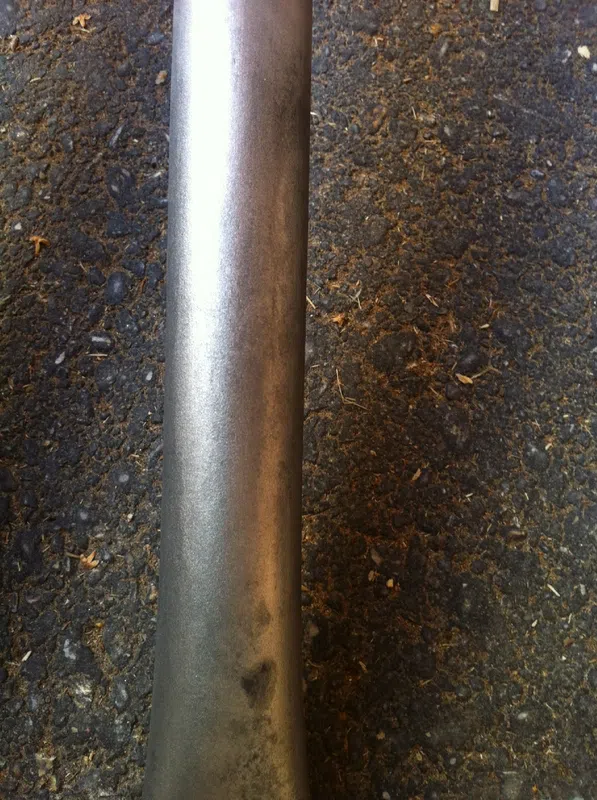
Heating element after dry ice cleaning
Heating element, after · Photo: Egger PowAir Cleaning

Short answer

Dry ice does not get things wet, is not too abrasive for delicate items, and not too weak for tough tasks. Tap on a myth to reveal the fact.

As of November 2026

01

What people say. And what is true.

1 of 8 facts revealed
  1. Fact

    Dry ice only exists in solid or gaseous form. Upon evaporating, 0% water is produced, not a single drop of liquid.

  2. Fact

    With fine dry ice snow, book pages from the 15th century can be cleaned, or the shell of a raw egg.

  3. Fact

    With pellets, even a 3 cm thick layer of bitumen can be removed from a tank, or the underbody protection of a car.

  4. Fact

    In many cases, no. Cleaning is carried out on site, often without dismantling and with minimal downtime, sometimes during full ongoing operation.

  5. Fact

    The quality is the same for a global corporation, a medium-sized bakery, a small manufacturing business, or a 200-bed hotel.

  6. Fact

    Dry ice evaporates without leaving any residue. No secondary waste is produced; only the removed material needs to be disposed of.

  7. Fact

    It does not melt, it sublimates: at minus 78 degrees, it changes directly from a solid to a gaseous state.

  8. Fact

    Dry ice is solid CO₂, a colourless, odourless gas that occurs naturally in the atmosphere. In enclosed spaces, ventilation and monitoring requirements apply, see Safety.